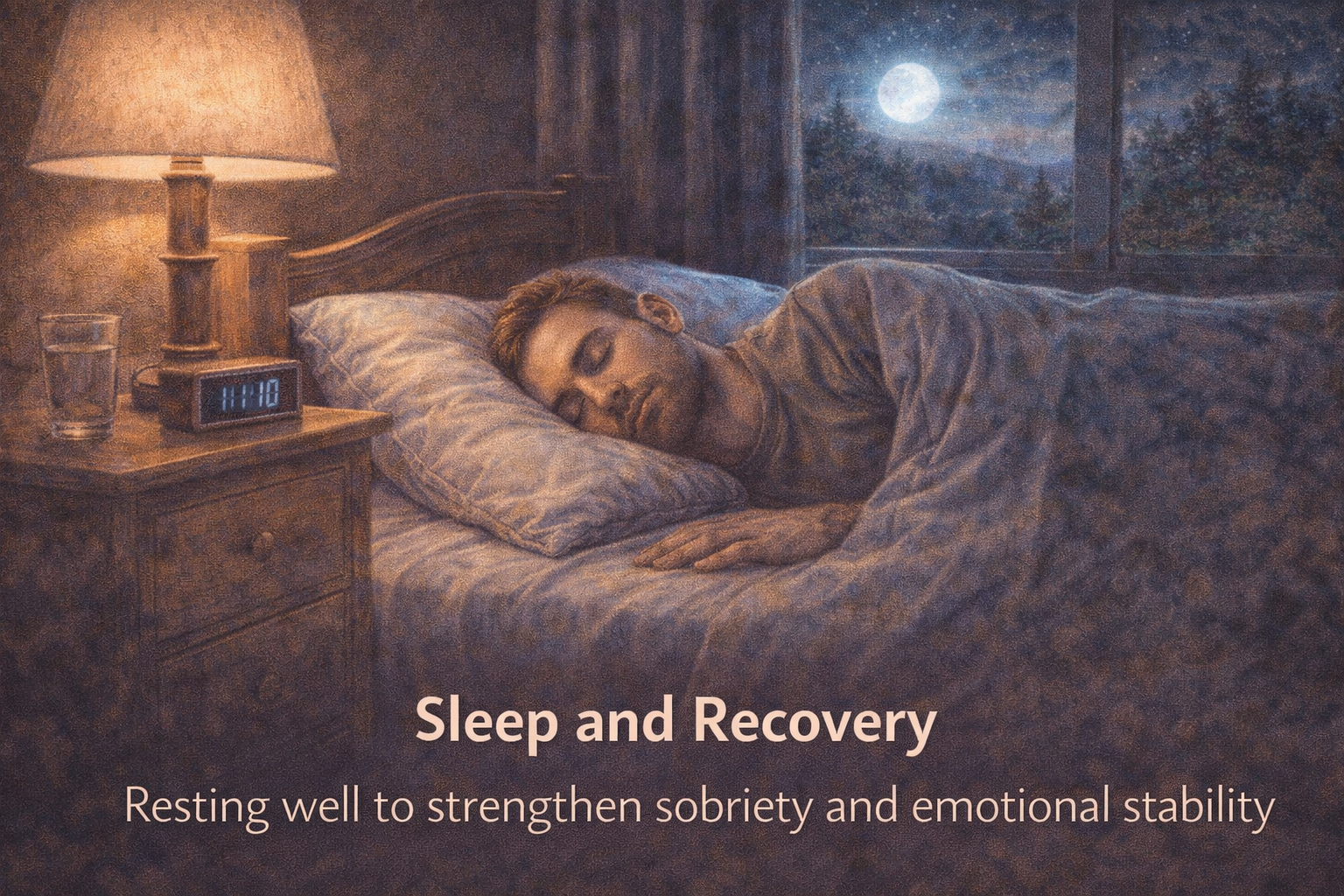
When people think about recovery, they often focus on avoiding substances, attending counseling, and building healthier routines. While these are all essential, one critical factor is often overlooked: sleep.
Sleep plays a foundational role in emotional regulation, decision-making, and overall mental health. Without consistent, quality rest, even the strongest recovery plan can become difficult to maintain.
At Creative Counseling Solutions, we often help individuals recognize that sleep is not just a health habit—it is a core component of relapse prevention.
Why Sleep Matters in Recovery
Substance use significantly impacts the body’s natural sleep cycle. Even after stopping use, it can take time for the brain and body to re-regulate.
Poor sleep can lead to:
- Increased irritability
- Difficulty managing emotions
- Reduced concentration and focus
- Higher stress levels
- Lower tolerance for frustration
These challenges can make everyday situations feel more overwhelming, increasing the risk of impulsive decisions.
The Connection Between Sleep and Relapse
Sleep deprivation affects the brain’s ability to make thoughtful, long-term decisions. When the brain is tired, it becomes more focused on immediate relief rather than long-term goals.
This can lead to:
- Increased cravings
- Reduced use of coping skills
- Difficulty staying motivated
- Emotional reactivity
Over time, lack of sleep can weaken recovery without the individual fully realizing it.
Common Sleep Challenges in Recovery
Many individuals experience sleep disturbances during recovery, especially in the early stages. These may include:
- Difficulty falling asleep
- Waking up frequently during the night
- Vivid dreams or restlessness
- Irregular sleep schedules
These experiences are normal as the body adjusts, but they can still be frustrating and exhausting.
Building Healthy Sleep Habits
Improving sleep does not require perfection. Small, consistent changes can lead to meaningful improvement over time.
Helpful strategies include:
Consistent sleep schedule
Going to bed and waking up at the same time each day helps regulate the body’s internal clock.
Limiting screen time before bed
Reducing phone and screen use can help the brain prepare for rest.
Creating a calming nighttime routine
Simple habits such as reading, stretching, or relaxation exercises signal the body that it is time to wind down.
Avoiding stimulants late in the day
Caffeine and other stimulants can interfere with sleep quality.
When Sleep Needs More Support
If sleep issues persist, it may be helpful to explore them further in counseling. Sleep difficulties can sometimes be connected to stress, anxiety, or unresolved emotional patterns.
Addressing these underlying factors can improve both sleep and overall recovery stability.
Rest Supports Everything Else
Recovery is built on a series of small, consistent choices. Sleep supports the ability to make those choices effectively.
When individuals are well-rested, they are better able to:
- Manage stress
- Regulate emotions
- Stay engaged in recovery routines
- Make thoughtful decisions
Sleep may seem simple, but it is one of the most powerful tools for maintaining long-term stability.
Recovery Includes Taking Care of the Body
Recovery is not only about changing behaviors—it is about restoring balance in both the mind and body.
At Creative Counseling Solutions, we support individuals in developing practical, sustainable habits that strengthen recovery from the inside out.
If you or a loved one are experiencing ongoing sleep difficulties, counseling can help identify patterns and build strategies to support better rest and long-term recovery.