Completing a substance use treatment episode—whether detox, residential care, partial hospitalization (PHP), intensive outpatient (IOP), or outpatient counseling—is a meaningful milestone. It reflects effort, commitment, and the willingness to make lasting change.
At the same time, many individuals find that the period after treatment brings new challenges. As structured support decreases and daily responsibilities increase, recovery requires intentional planning, continued connection, and ongoing skill use.
Long-term recovery is not defined by the level of care completed, but by what happens next. At Creative Counseling Solutions, we emphasize continuity of care and practical aftercare strategies that help individuals maintain progress, manage stress, and build stability beyond formal treatment.
Below are five essential strategies that support recovery after any substance use treatment episode.
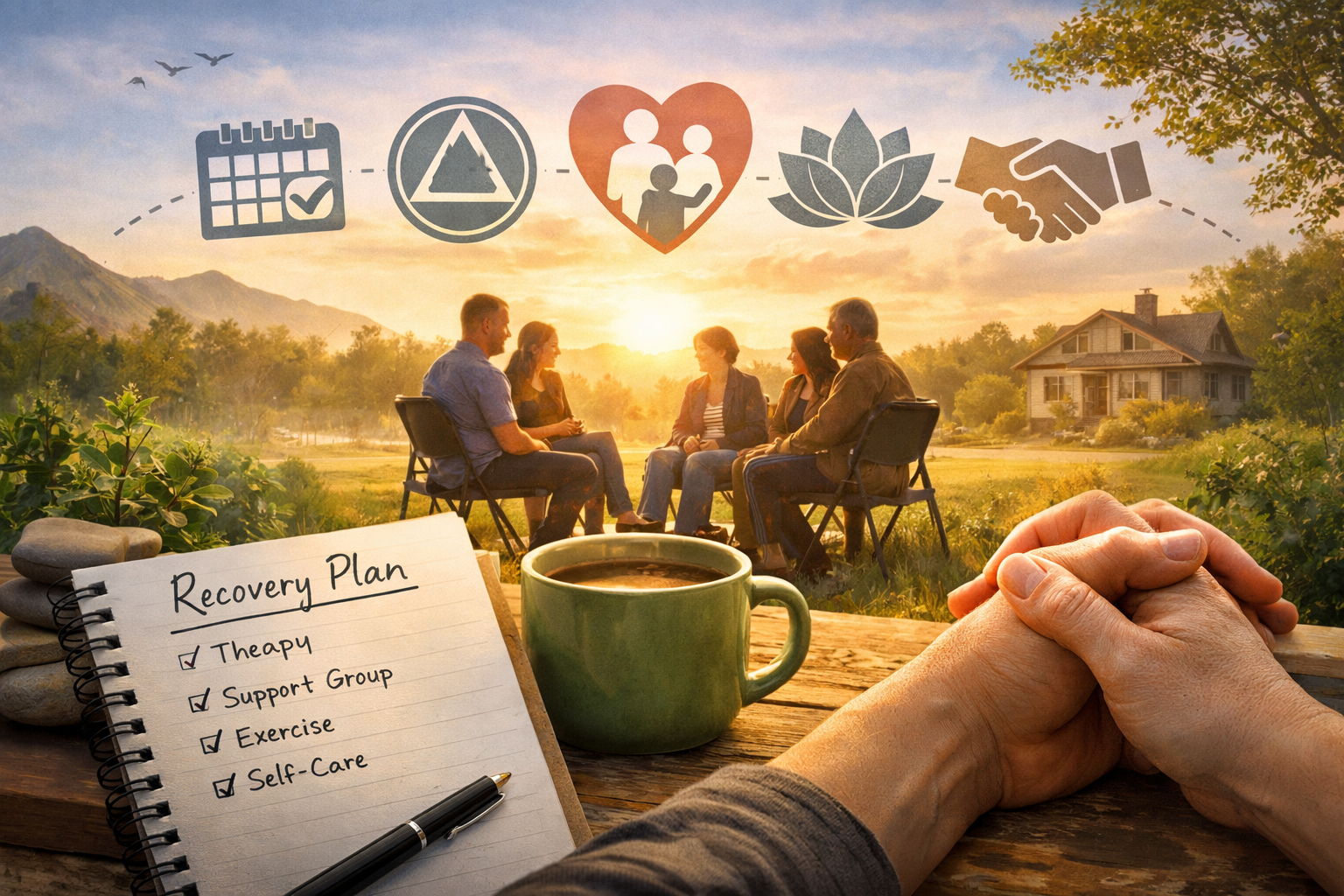
1. Develop a Personalized Recovery & Aftercare Plan
Regardless of the treatment level completed, a clear recovery plan is essential for maintaining momentum. Treatment provides tools and insight; aftercare focuses on how those tools are applied in real life.
A strong recovery plan often includes:
- Ongoing counseling or recovery check-ins
- Identification of personal triggers and early warning signs
- Coping strategies for cravings, stress, and emotional overwhelm
- Realistic short-term and long-term recovery goals
Having a plan reduces uncertainty and increases confidence. It allows individuals to respond intentionally to challenges rather than reacting in moments of stress or vulnerability.
2. Stay Connected to Supportive Relationships
Connection is one of the strongest protective factors in recovery. While treatment often provides built-in support, maintaining connection afterward requires intention.
Support systems may include:
- Peer recovery or alumni groups
- Group counseling or outpatient therapy groups
- Trusted family members or friends
- Community-based recovery supports
Healthy connection reduces isolation, reinforces accountability, and reminds individuals they are not navigating recovery alone. Ongoing support helps normalize challenges and strengthens resilience during difficult moments.
3. Establish Consistent Self-Care and Daily Structure
Recovery is supported by routine. Structure helps regulate mood, reduce stress, and create predictability—especially during transitions after treatment.
Helpful self-care and stabilization practices include:
- Consistent sleep and wake schedules
- Balanced nutrition and hydration
- Regular physical activity or movement
- Mindfulness, grounding, or relaxation exercises
Daily routines support emotional regulation and decision-making. Even small, consistent habits can significantly impact long-term recovery success.
4. Continue Counseling and Therapeutic Support
Many individuals benefit from continued counseling after completing a treatment episode. Ongoing therapy provides space to apply skills, process new stressors, and address underlying issues that may not fully resolve during structured treatment.
Post-treatment counseling may focus on:
- Relapse prevention and coping strategies
- Emotional regulation and stress management
- Trauma-informed care
- Relationship and communication challenges
- Life transitions such as work, family, or legal stressors
Continued therapeutic support helps individuals stay grounded, accountable, and supported as recovery evolves.
5. Rebuild and Strengthen Healthy Relationships
Substance use often affects relationships, sometimes leading to mistrust, conflict, or emotional distance. Recovery creates an opportunity to rebuild these connections in healthier and more intentional ways.
Key relational skills include:
- Setting and maintaining appropriate boundaries
- Practicing honest, respectful communication
- Asking for support without guilt or shame
- Developing emotional awareness and empathy
Counseling can support individuals and families in navigating these changes, repairing trust, and creating healthier relational patterns that support recovery rather than undermine it.
Recovery Is a Process, Not a Single Phase
Recovery does not end when a treatment episode concludes. It continues through daily choices, supportive relationships, and intentional care. Aftercare strategies help bridge the gap between structured treatment and independent living, reinforcing the progress already made.
At Creative Counseling Solutions, aka NewDay Counseling we view recovery as an ongoing process of growth, stability, and self-awareness. With the right supports in place, individuals can continue building resilience and a fulfilling life beyond treatment.
If you or a loved one have recently completed a substance use treatment program and would like support with aftercare planning, outpatient counseling, or group services, our team is here to help.
Resources
NewDay Counseling
Outpatient Services
Long-term Recovery Residence