Visit Us Mon-Fri from 9:00 AM to 5:00 PM
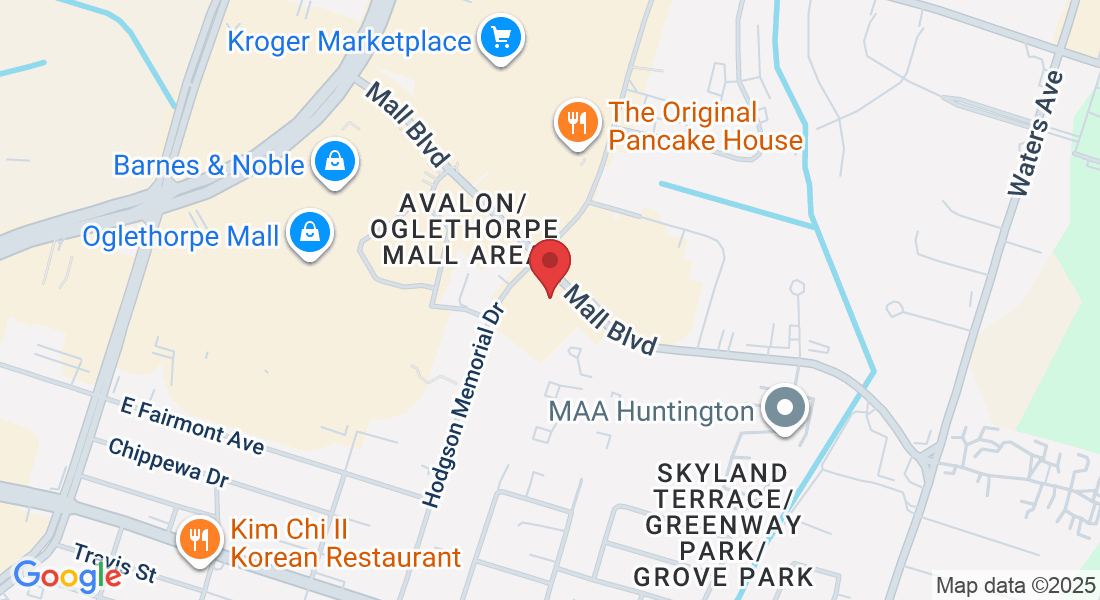
401 Mall Blvd Ste 101-d, Savannah GA 31406
Visit Us Mon-Fri 9:00am - 5:00pm

Individual VS Group Addiction Counseling: Choosing the Best Therapy for Effective Substance Abuse Recovery
October 31, 2025, by New Day Counseling
Addiction treatment commonly involves individual and group counseling, each offering distinct mechanisms for recovery. This guide explains how individual and group therapy work, their unique benefits, and how they can be combined for comprehensive care. We'll also cover practical considerations like cost, insurance, and how to find a qualified counselor to support your recovery journey.
What Is Individual Addiction Counseling?
An IOP is a structured, part-time treatment model requiring 9 to 20 hours of therapy weekly, typically over 3 to 5 days. Participants live at home, balancing recovery with daily life. Services include group and individual therapy, family counseling, psychoeducation, and medication management. IOP suits those stepping down from inpatient care or needing robust support while maintaining work/family roles in a stable home environment.
Outpatient Substance Abuse Services
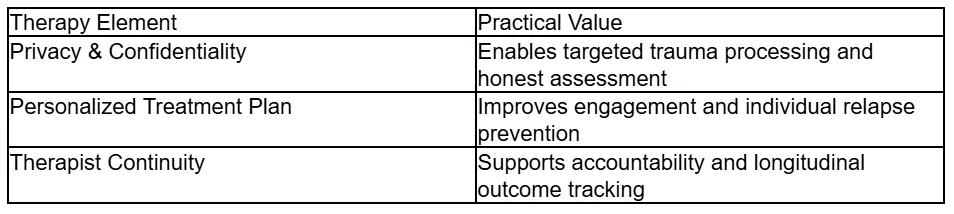
Individual therapy emphasizes confidentiality, personalized treatment planning, and a strong therapeutic alliance, essential for people with trauma or complex co-occurring disorders.
What Is Group Addiction Counseling?
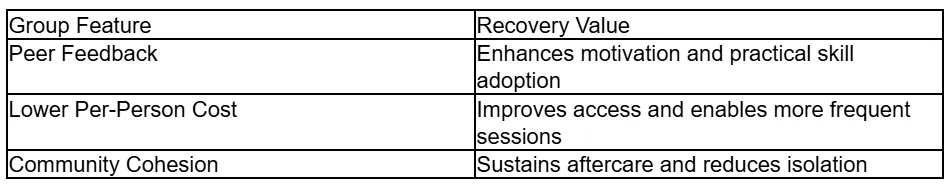
Group addiction counseling brings peers together under a trained facilitator to provide mutual support, model recovery behaviors, and teach skills in a social environment. This social learning enhances motivation and accountability, making group formats valuable for rebuilding social networks and reducing isolation. Typical features include psychoeducational content, interpersonal process work, and facilitator-led skill practice.
Main Features and Advantages
Group therapy offers peer support, skill practice, accountability, and cost-effectiveness. Compared to one-on-one work, group counseling provides greater cost-effectiveness, consistent peer-driven motivation, and social-skill development that addresses interpersonal deficits.
How Do Individual and Group Therapies Complement Each Other?
Individual and group therapies serve complementary functions: individual sessions provide depth and diagnostics, while group work supplies social support and skill rehearsal. Combining modalities leverages the strengths of both approaches to enhance relapse prevention, engagement, and social reintegration. Integrated plans often sequence individual intake and risk assessment, followed by concurrent group skill-building and periodic individual check-ins for personalization, addressing both intrapsychic drivers and interpersonal supports.
Cost and Insurance Options for Addiction Counseling
Understanding counseling costs helps planning. Individual therapy typically costs more ($100–$250/session) than group therapy ($20–$80/session). Insurance coverage varies, but parity laws require comparable coverage. Sliding scale options and community programs can reduce fees.
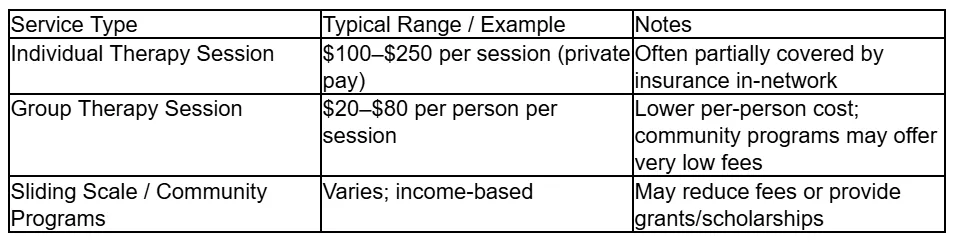
Always verify benefits for outpatient behavioral health and inquire about in-network providers or financial aid.
Finding the Right Addiction Counselor
Finding the right counselor involves checking licensure, certifications, and experience treating SUD and co-occurring disorders. Look for clinicians trained in CBT, MI, DBT, and trauma-informed care. Therapist fit—cultural competence and communication style—is as important as credentials.
Key questions to ask during initial consultations:
> What therapy modalities do you use and why?
> Do you treat co-occurring disorders and coordinate with psychiatry?
> Are you in-network with my insurance, and what are typical out-of-pocket costs?
Consider scheduling an intake assessment with a licensed addiction counselor or a program offering bundled intake and combined therapy plans for a tailored recovery roadmap.
New Day Counseling can assist individuals with a multitude of needs in almost every aspect of the levels of care outlined by the American Society of Addiction Medicine, at an affordable cost!
CONTACTS
Find Us on a Map
PARENT COMPANY:
CREATIVE COUNSELLING SOLUTIONS LLC.
We Work for You Mon-Fri
from 9:00 AM to 5:00 PM
QUICK LINKS


© 2025 NEW DAY COUNSELING. All Rights Reserved.